How to Save Money on a Small Salary Every Month
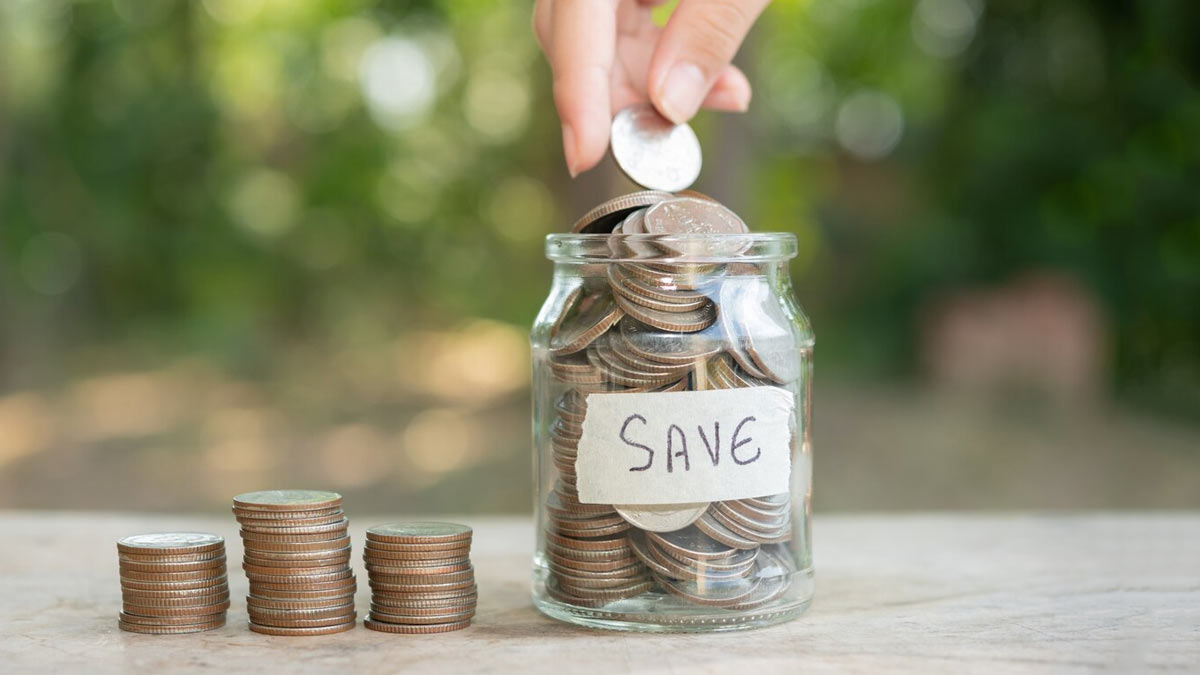
You can save money on a small salary without cutting out every fun thing in your life. It feels hard when your paycheck barely covers your rent and bills. You are not bad with money, you just need a plan that fits your real income.
The secret is to save small amounts automatically before you have a chance to spend them. Saving even 20 dollars a week adds up to over 1,000 dollars in a year. You do not need a huge raise to start building a safety net today.
Where Does Your Paycheck Actually Go?
Most people lose track of small purchases during the month. You buy a 4 dollar coffee on Monday. You pay 12 dollars for takeout on Wednesday. By Friday, 50 dollars went missing and you cannot remember where it all went.
Take a look at your bank account from last month. Grab a paper and write down every single bill that stays the same. Rent, phone, power, and insurance go in one group. These are your fixed costs. Now look at the rest of your spending. This is where your money slips away, but it is also where you can find quick wins.
A simple check helps you see reality. Sarah earns 2,200 dollars a month after tax. Her rent and basic utility bills take up 1,300 dollars. She thought she spent 300 dollars on groceries, but her bank statement showed 500 dollars because of daily runs to the corner store. Seeing that number made it easy to fix. Understanding your budget is simply about seeing these facts clearly.

The Small Wins That Add Up Fast
Big changes are hard to keep up. Small shifts in your daily routine feel easy and pay off month after month. You do not have to live on beans and rice to build up your bank account.
Start with your recurring monthly costs. Call your internet provider today and ask for a lower rate or a basic plan. Many companies give you a 20 dollar discount just because you asked. Look at your streaming accounts next. Keep one service for this month and pause the rest. You can switch them next month when you get bored of the movies.
- Switch to store brand items when you buy food and soap. They cost 20 to 30 percent less and taste the same.
- Make your morning coffee at home. That single choice saves about 90 dollars every single month.
- Cancel subscriptions you have not used in the last two weeks. You can always sign up again later.
- Cook double meals on Sunday night so you have quick lunches for work.
Doing three of these things frees up around 150 dollars every month. That is real money staying in your pocket. Learning good Money Habits of People Who Never Go Broke will help you protect those new savings for the long haul.
How to Save Money Automatically
If you wait until the end of the month to save what is left, you will save zero dollars. There is never anything left. Your mind finds ways to spend money as long as it sits in your checking account.
Set up an automatic transfer at your bank for your payday. If you get paid on the first day of the month, set 25 dollars to move to savings on the second day. Do not ask yourself if you can afford it that week. Just let the bank move it for you automatically.
When you do not see the money in your daily account, you stop thinking about spending it. You adjust your daily spending to what is left. Mark makes 500 dollars a week. He sets his bank to move 30 dollars to savings every Friday morning. After six months, he has 780 dollars in his savings account, and he never felt hungry or stressed to get it there.
Building Your First Cash Cushion
When you live on a small salary, one bad day can ruin your finances. A flat tire or a broken phone feels like a huge crisis when you have no cash put aside. This is why you need a tiny cash cushion right away.
Do not worry about saving six months of expenses right now. That big goal feels impossible and makes people give up fast. Aim for just 500 dollars first. A 500 dollar cushion stops small daily problems from turning into high-interest credit card debt.
Put this cash in a separate bank account so you do not spend it on groceries or gifts. Treat this account like a shield for your life. If you want to know more about keeping your money safe, check out our guide on smart ways to handle your money. You can also read about how an emergency fund protects your household from unexpected repairs.
Keep Your Plan Simple and Real
Saving money is not about punishing yourself every single day. If your plan is too strict, you will quit after two weeks and buy something expensive to feel better. Give yourself a little space to breathe.
Set aside 10 or 15 dollars every week for fun money. Use it for a lunch with a friend, a warm treat, or a hobby you love. This small valve keeps you from feeling trapped by your budget. When you know you have a little cash for fun, staying on track with the rest of your money gets much easier.
Track your progress on your fridge or on a small paper in your wallet. Watch that savings line go up month by month. Seeing your money grow gives you peace of mind that no impulse purchase can ever match. Start with just 5 dollars today and build the habit step by step.
Make Your Extra Cash Count
Life brings unexpected money from time to time. You might get a small tax refund, a work bonus, or cash for your birthday. It is easy to blow this money on a big night out, but using it wisely gives you instant relief.
Split any extra cash you receive right away using a simple rule.
- Put half of the extra money straight into your savings account.
- Use the other half to pay off a small debt or buy something you need.
This balanced move lets you celebrate while still protecting your future.
Keep Growing as Your Income Changes
As time goes on, you might get a small raise or pick up a few extra hours at work. Avoid the trap of spending more just because you make more. Keep living on your old budget and send the extra cash directly to your savings.


Comments
Post a Comment